










PM SVANidhi Yojana gets Cabinet approval for expansion with ₹1,333 crore outlay. Over 84.5 lakh vendors received ₹1.06 lakh crore loans. New limit up to ₹50,000, with 7% interest subsidy on timely repayment. RuPay credit card linked to UPI also introduced.
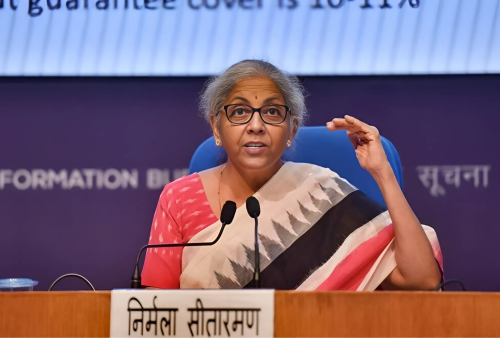
Under the revised GST structure, key essentials become cheaper. Daily-use goods cut to 5%, healthcare reduced to 5% with insurance at 0%. Vehicles and electronics lowered from 28% to 18%, while education is now tax-free. The move aims to ease costs and boost affordability.

GST rates on key construction inputs have been rationalised. Cement reduced from 28% to 18%, while marble, granite, bricks, chemicals, renewable energy equipment, and irrigation systems are cut to 5%. The revision is aimed at reducing construction costs and improving housing affordability.
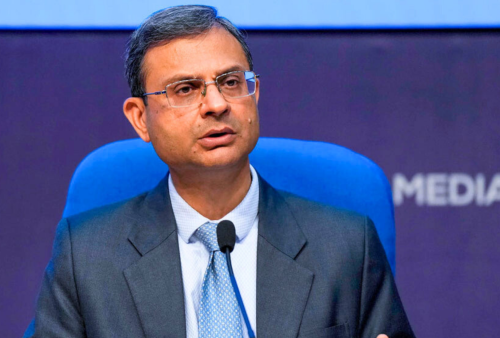
Reserve Bank of India to remove mandatory OTP for online transactions from April 2026. Users can choose authentication via PIN, password, passphrase, hardware or software tokens, or biometrics. The move aims to improve security, flexibility, and reduce dependence on OTP.
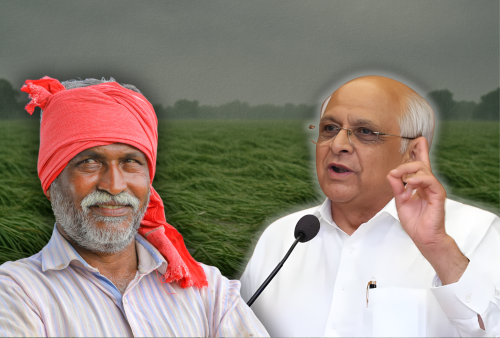
The package will benefit farmers across 44 lakh hectares and 16,500 villages. Aid of ₹22,000 per hectare, up to 2 hectares. From 9 Nov, government will also procure peanuts, moong, urad, and soybean at support prices, costing around ₹15,000 crore. Farmers must apply online. No eligible farmer will be left out.

Loan against silver: Up to 10 kg for silver jewelry and 500 gm for silver coins. Loans cannot be used to buy gold/silver. Effective from 1 April 2026. Loan limits: up to ₹2.5 lakh – 85%, ₹2.5–5 lakh – 80%, above ₹5 lakh – 80%
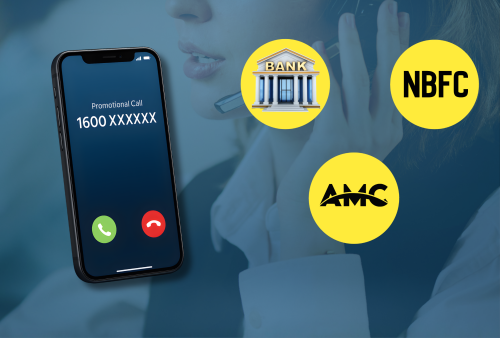
As per telecom regulator TRAI, banks, NBFCs, and AMCs will now make calls only from the “1600” number. Deadlines: Banks – Jan 1, large NBFCs – Feb 1, other NBFCs & rural banks – Mar 1, AMCs – Feb 15, stock brokers – Mar 15. Customers can now easily identify legitimate promotional calls.