

A balance transfer can be beneficial if another lender offers a lower interest rate, reduced EMI, or better loan terms. Before switching, compare processing fees, foreclosure charges, and the overall savings. A balance transfer is generally worthwhile when the total savings exceed the associated costs.

Yes, many banks and NBFCs allow borrowers to change their EMI due date. However, this depends on the lender's policy and loan terms. Some lenders may charge a fee for this service. It is advisable to check the applicable rules and charges with your bank before requesting a change.

It is generally not advisable to apply to another bank immediately after a loan rejection. First, understand the reason for the rejection and improve your CIBIL score, income profile, documents, or other shortcomings. Multiple loan applications in a short period can negatively impact your CIBIL score. Apply again only after addressing the issues.

Transferring a home loan can be beneficial if another lender offers a lower interest rate, reduced EMI, or better features. However, borrowers should compare processing fees, legal charges, and overall savings before making a decision. A transfer is generally worthwhile when the expected savings exceed the associated costs.

If a floating interest rate rises suddenly, borrowers should first check the revised EMI or tenure with their bank. Making a part prepayment can reduce the outstanding loan amount. If beneficial, a balance transfer to another lender may also be considered. Understanding rate revision clauses in the loan agreement is equally important.

Loan processing fees are usually non-refundable, as they cover the cost of evaluating and processing the application. However, some banks and NBFCs may offer a full or partial refund under specific conditions. Borrowers should review the terms and conditions carefully before applying for a loan.
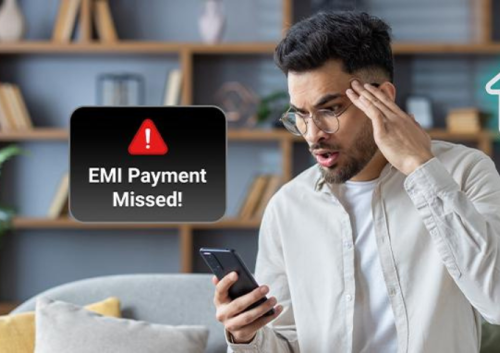
Banks and NBFCs may levy EMI bounce charges if an installment is missed. These charges typically range from ₹250 to ₹1,000 or more, depending on the lender's policy. Penal interest may also apply, and repeated EMI bounces can negatively affect the borrower's CIBIL score.

A CIBIL score may decline due to delayed EMI or credit card payments, frequent loan applications, high credit utilization, or loan defaults. Maintaining timely payments and using credit responsibly are essential for building a strong credit history.
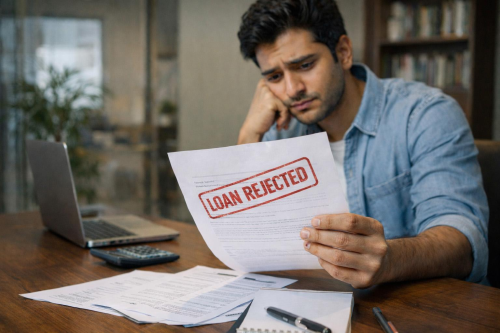
If your loan application is rejected, first understand the reason from the lender. Review your CIBIL score, income documents, and existing liabilities. Rectify any shortcomings before reapplying. Applying to multiple lenders simultaneously can negatively impact your credit profile.